
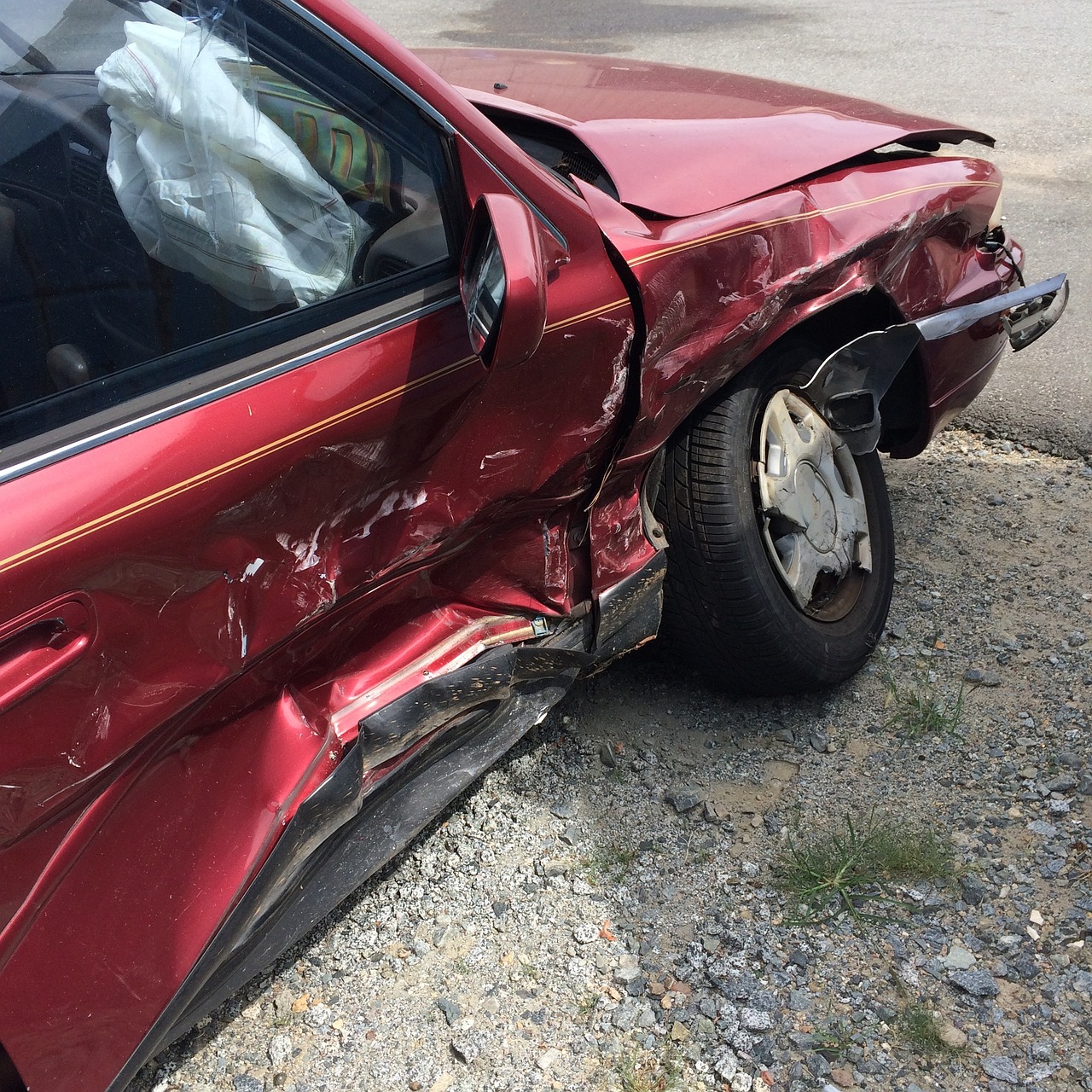
After a car accident, the clock seems to slow down. You’re dealing with injuries, medical bills, car repairs, and possibly time off work. Amid all that, you might be wondering:
How long does it take to get a car accident settlement?
The short answer is:
Most car accident settlements take anywhere from a few weeks to several months — and sometimes over a year.
The timeline depends on several factors, including the complexity of the case, the severity of your injuries, and how cooperative the insurance company is. In this guide, we’ll break down the entire process and help you understand what to expect.
Average Timeline for Car Accident Settlements
While no two cases are identical, here’s a general breakdown of how long most car accident claims take to settle:
| Case Type | Settlement Timeframe |
|---|---|
| Minor accident with no injuries | 1 to 3 months |
| Moderate injuries with treatment | 3 to 6 months |
| Serious injuries or disputed liability | 6 months to 1 year+ |
| Cases that go to trial | 1 to 2 years or more |
1. Immediate Aftermath (Week 1–2)
After the crash, the first steps are:
- Filing a police report
- Seeking medical attention
- Notifying your insurance company
- Contacting a car accident attorney (if needed)
If the case is simple — such as a clear minor accident with no injuries — the settlement may begin and resolve quickly. But if injuries are involved, expect the process to slow down.
2. Medical Treatment and Recovery (Weeks to Months)
Injury claims often take time because:
- You need to complete medical treatment or reach “maximum medical improvement” (MMI) before settlement.
- Your lawyer can’t calculate damages until all medical bills and future treatment needs are known.
Rushing this phase can lead to undervalued settlements. It’s smarter to wait until your recovery is complete or your condition is stable before negotiating.
3. Investigation and Evidence Gathering (1 to 3 Months)
Your attorney will:
- Collect medical records
- Obtain the police report
- Interview witnesses
- Review insurance policies
- Possibly consult accident reconstruction experts
This step ensures your lawyer builds a strong, fact-based claim. Delays here usually come from slow responses from hospitals or insurance companies.
4. Sending the Demand Letter (After Treatment Ends)
Once your attorney has all the necessary documents, they’ll send a demand letter to the insurance company. This letter outlines:
- What happened in the accident
- Who was at fault
- The damages you’re seeking (medical bills, lost wages, pain & suffering)
After receiving the demand, the insurance company typically takes 30 to 45 days to respond.
5. Negotiation Phase (1 to 3 Months)
Once the insurer responds, negotiations begin. They may:
- Accept the demand
- Counter-offer with a lower amount
- Deny liability altogether
Most cases involve multiple rounds of negotiation, especially if your injuries were serious or the other driver disputes fault.
6. Settlement or Lawsuit Filing
✅ If a Settlement Is Reached:
Once both parties agree, paperwork is signed, and the insurer usually sends a check within 30 days.
❌ If No Agreement Is Reached:
Your lawyer may recommend filing a lawsuit. This can add 6 to 18 months or more to your case timeline — depending on how backed-up the court system is.
Factors That Can Speed Up or Delay Your Settlement
⏩ Things That Can Speed It Up:
- Clear liability (the other driver admits fault)
- Minor injuries and quick recovery
- Responsive insurance companies
- Strong documentation of damages
🛑 Things That Can Slow It Down:
- Disputed liability (both sides blame each other)
- Severe or long-term injuries
- Unclear or missing medical records
- Uncooperative insurers
- Court backlogs if the case goes to trial
Should You Settle Quickly?
It can be tempting to settle early — especially when bills are piling up. But fast settlements often come with lowball offers from insurers.
You should only settle once:
- All your medical treatment is complete
- You’ve documented all out-of-pocket costs
- You understand long-term impacts on your health and job
- Your attorney has reviewed the full value of your claim
Once you sign a settlement agreement, you can’t go back and ask for more money later — even if new injuries appear.
What If My Case Goes to Trial?
Only about 5% of car accident cases go to court — most are settled beforehand. But if your case does go to trial, it can add:
- Discovery phase (3–6 months)
- Depositions and witness prep
- Trial scheduling delays
Even then, many lawsuits still settle before a verdict is reached, often during pre-trial mediation.
How to Speed Up Your Settlement (Without Rushing)
- Hire an attorney early. The sooner you have representation, the faster your case can move forward.
- Follow all medical advice. Gaps in treatment can be used against you.
- Keep detailed records. Save receipts, time-off logs, and treatment notes.
- Respond promptly to requests. Delays in communication can slow your case.
- Avoid social media. Insurance adjusters watch your online activity for signs you’re not injured.
Final Thoughts: Patience Pays Off
While most people want their car accident settlement to happen overnight, the process takes time — especially if you want a fair and full payout.
Remember:
- Minor cases may settle in weeks
- Moderate to serious cases can take months or more
- Complex cases or trials may take over a year
But with the right attorney and a little patience, you’ll likely end up with a better outcome than rushing to take the first offer.
Need Help Navigating a Car Accident Claim?
If you’re waiting on a settlement or unsure how long your case should take, speaking to a qualified local car accident attorney can make all the difference.
They’ll evaluate your situation, manage the timeline, and fight to get you the compensation you deserve — without delay.
