
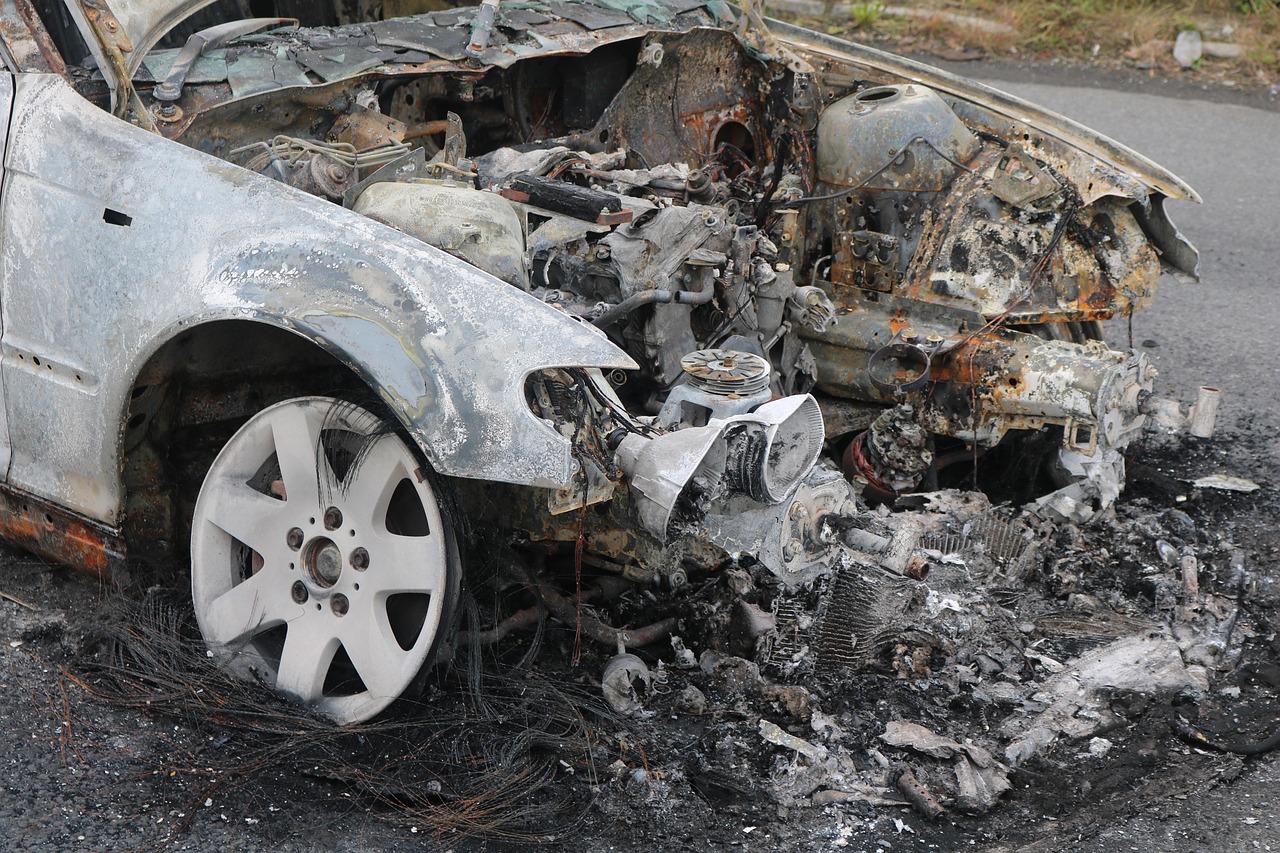
Let’s say you lend your car to a friend or family member — and then you get the call: they’ve been in an accident. Worse, they aren’t listed on your insurance policy.
Now you’re asking:
“What happens if someone who’s not on my insurance crashes my car?”
The answer? It depends.
Auto insurance follows the vehicle, not the driver. So in many cases, your insurance may still cover the damage — but there are important exceptions, and it can get complicated fast.
In this article, we’ll explain:
- Who’s covered by your insurance policy
- What types of coverage may apply
- What happens if they were at fault
- How it works if the driver was excluded or unauthorized
- What to do after the accident
🚗 Who Is Covered by Your Car Insurance?
In the U.S., car insurance typically follows the car, not the driver. This means:
✅ Permissive drivers — someone you allowed to use your car — are usually covered under your policy.
❌ Non-permissive drivers or excluded drivers may not be covered.
There are 3 types of people who might drive your car:
- Named Drivers – People explicitly listed on your policy (like a spouse or teen).
- Household Members – Family members living with you may be covered by default, but it’s best to list them.
- Permissive Users – Friends or guests you occasionally allow to drive. Most insurers cover these cases under your liability insurance.
✅ If You Gave Permission, Your Insurance May Still Apply
If someone who isn’t listed on your policy had permission to drive your car, your liability coverage will usually cover:
- Property damage (to the other car)
- Bodily injury (to the other driver or passengers)
Collision coverage (if you have it) can also pay for repairs to your own car — though you’ll have to pay the deductible.
Example:
You lend your car to a friend. They rear-end another driver. Your liability insurance pays for the other driver’s damages, and your collision coverage handles your car’s repairs (minus your deductible).
❌ If the Driver Was NOT Authorized
If the person did not have your permission to drive the vehicle — or stole it — your insurance may not cover the accident.
In that case, the unauthorized driver’s insurance (if they have any) might be responsible for damages. If they’re uninsured, the cost may fall on them personally — or on your own insurance through optional coverage types like:
- Uninsured motorist (UM) coverage
- Collision coverage (only for your own car)
🚫 What If the Driver Was Excluded From Your Policy?
Some policies have excluded drivers — people you’ve specifically listed as not being covered (often to reduce premiums).
If an excluded driver crashes your car:
👉 Your insurance company will NOT cover the accident — even if you gave them permission.
You could be personally liable for all damages, medical bills, and legal costs.
Example:
You exclude your teenage son from the policy because of high premiums. If he drives your car and gets into an accident — your insurance company can deny the claim entirely.
🤕 What If the Driver Was At Fault?
If the person who crashed your car caused the accident, and they had your permission, then:
- Your insurance generally covers the other party’s damages under your liability policy
- Your collision coverage (if you have it) pays for your car’s repair
- Your insurance rates may go up, even though you weren’t driving
If the other driver was at fault, their insurance may be responsible — but this depends on who was cited or proven liable.
🚓 What to Do Right After the Accident
If someone else crashed your car and they’re not on your policy, here’s what to do:
1. Ensure Everyone Is Safe
Call 911 if there are injuries or significant damage. Get medical attention if needed.
2. Get a Police Report
This will help clarify:
- Who was driving
- Whether they had permission
- Who was at fault
3. Contact Your Insurance Company Immediately
Be honest about who was driving. Hiding the fact that someone else was behind the wheel can void your coverage.
4. Document Everything
Take pictures of:
- Damage to both vehicles
- Road conditions
- Driver’s license and insurance (of the person who borrowed the car and the other driver)
💰 Will My Insurance Rates Go Up?
Yes — even if you weren’t driving, an accident involving your car could result in higher premiums.
Why? Because from the insurer’s perspective:
- The accident involved a vehicle they’re covering
- There’s a risk you might lend the car again
- Claims cost them money, regardless of who was behind the wheel
Pro Tip:
Some insurance companies offer accident forgiveness, but it often doesn’t apply if someone else was driving.
🧾 Who Pays for the Damages?
| Scenario | Who Pays? |
|---|---|
| You gave permission, and driver caused the crash | Your insurance |
| Driver was unauthorized | Their insurance or they pay out of pocket |
| Driver was excluded from your policy | No coverage — you may be liable |
| Other driver was at fault | Their insurance (you may still need to file a claim) |
🛡️ How to Protect Yourself
Here are a few ways to avoid legal and financial headaches:
- Only lend your car to people you trust
- Don’t let excluded drivers use your car
- Review your policy to understand coverage rules
- Consider adding permissive drivers if they use your car often
- Increase your liability and collision limits
Final Thoughts: Know Before You Lend
Letting someone borrow your car may seem like no big deal — until they crash it.
In most cases: ✅ If they had permission, your insurance will likely cover the damage.
❌ If they didn’t, or were excluded, you could be stuck with the bill.
Before tossing someone your keys, make sure you understand the risks and the rules in your policy. A quick check can save you from serious out-of-pocket costs later.
Got Questions About a Real Accident?
If someone recently crashed your car and they weren’t on your policy, it’s smart to speak with a local personal injury or insurance lawyer. Many offer free consultations and can help you figure out your next steps.
